


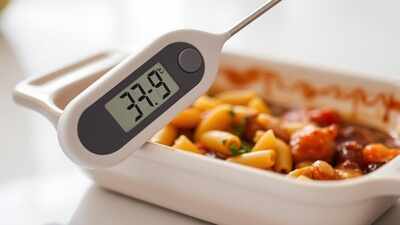
The image of garden vegetable soup cooking in a large pot or perhaps chilli cooking in another big pot that is warm even in the nighttime is a very common one in most kitchens. What we normally do is let the contents of the pot cool to room temperature before we store everything, lid included, in the refrigerator. Although this might be convenient, since there will be fewer dishes to wash, it is also one of the leading reasons behind food-borne illnesses at home. The reason behind this is the fact that we keep the food warm in a thick thermal mass.On that note, for those who take farm-to-table principles seriously, there is still another element to consider with respect to food preparation. Storage is, perhaps, the final stage in paying respects to your produce. There is a fairly simple scientific principle to make sure your leftovers stay both tasty and safe: increase the surface area. Place hot leftovers into shallow dishes; they will cool much faster, bringing your entire dish to safe temperatures before any nasty bacteria decide to have themselves a party in your refrigerator.The power behind shallow dishes in food safety practiceIt is important to understand that the primary goal in refrigerating your leftovers is to get them from 140°F to 40°F as fast as possible. This range is a prime target for bacteria and other food-spoiling elements. In a deep pan, the perimeter of the contents will begin to cool immediately, while the hot core of your dish will remain so for quite some time.This principle is explained in an article that was featured in the Journal of Food Protection. The article explains that as long as foods are cooled within a depth of five centimetres or less, the release of heat happens so rapidly that the growth of bacteria like Bacillus cereus or Clostridium perfringens becomes impossible. This means that the process of thinning out your garden yield will help you and your family avoid stomach upsets.
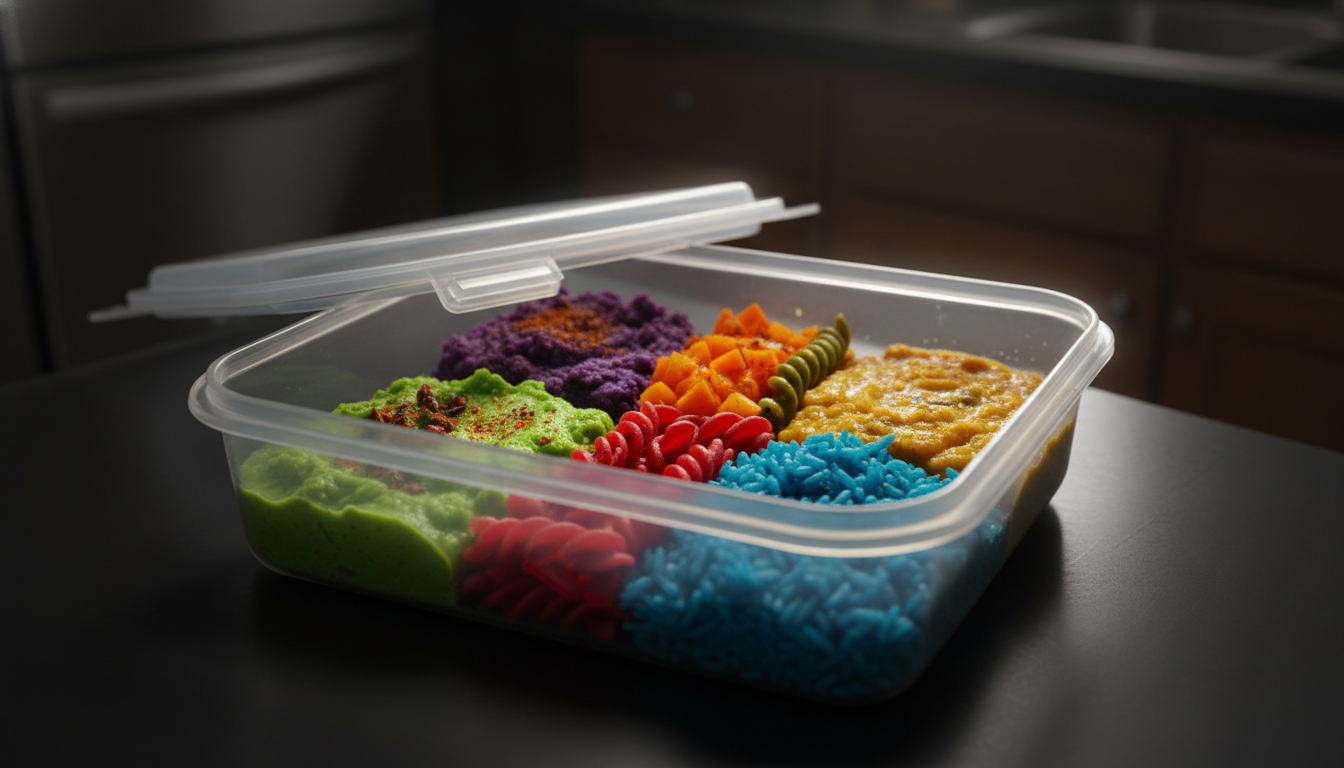
This scientific principle, crucial for gardeners preserving large yields, ensures food remains tasty and safe by preventing bacterial growth within critical temperature zones. Image Credit: Google Gemini
It is vital to this technique for those hardy, delicious foods that gardeners like cooking in large quantities. It is because such food items have a tendency to hang on to their warmth, and this poses a challenge. Using a shallow dish ensures that food is evenly chilled. A large quantity of hot food dispersed over a thin layer makes it possible for the refrigerator’s cold air to do its job.Good refrigeration practices for the home chefWhere one stores the food in the refrigerator is as critical as what one uses for storing it. A lot of folks have a natural urge to seal a hot dish with its lid to stop any spills from happening, which only heats up the interior of the container. What would be a much better approach would be leaving the lid open by a little bit or wrapping the dish loosely in aluminium foil till the food is completely chilled.Research titled Restaurant food cooling practices, looked at how professional kitchens manage this transition and found that air circulation is a key factor. In a crowded home refrigerator, we often stack containers or tuck them into tight corners, which blocks the flow of cold air. To keep your garden-fresh meals safe, give your shallow containers some “breathing room.” Avoid overcrowding the shelves, as the fridge needs to circulate air around the entire surface of the container to pull the heat away effectively.As you are looking at your massive seasonal harvest, the temptation to simply put it all away in the refrigerator is quite common. However, taking just a bit of extra time to divide it up into several smaller dishes will benefit your health greatly. Not only does this allow you to cool your vegetables in a safer manner, but it is also extremely convenient when preparing your lunch the following day. Following professional standards in the process of cooling ensures that all your hard work continues to pay off.