



It is a common modern frustration. You pull a fresh load of laundry out of the machine, expecting that crisp, sun-dried scent, only to be met with a faint, damp, or even vinegary odour. We often assume that because a washing machine is filled with soap and water, it must be the cleanest place in the home. However, while we have been busy optimising our wash cycles for energy efficiency and fabric care, we have inadvertently created a perfect “spa environment” for invisible microbial communities that are remarkably good at hitching a ride on our favourite clothes.The hard reality is that your washing machine is not only about getting things clean but also a miniature ecosystem. When you throw in a sweaty T-shirt or bed sheets, what you actually do is give microorganisms such as bacteria, oils, and moisture a place to take refuge. The traditional hot water washes were a kind of fresh start because they would kill most of the microorganisms. Now, when your washings take place under the new colder regime, these microorganisms tend to stay and accumulate, forming thick layers that cannot be destroyed by usual detergents.The secret life of machine biofilmsThe infamous “permastink” odour in your laundry results mainly from biofilms. Imagine a small city that exists in your washing machine, covering its rubber door seals, detergent drawers, and even the outer drum that is not visible to the naked eye. Biofilms represent highly resilient microorganisms that protect themselves with slime from the harmful effects of laundry pods’ chemicals.A study published in the journal Antibiotics highlights how these biofilms become permanent residents. The research reveals that these microbial cities are not just sitting there; they are actively metabolising the residues from your clothes and detergents. They produce volatile sulfur compounds and fatty acids that we recognise as that unpleasant “old laundry” smell. Because these biofilms are resistant to drying out, they stay alive between washes, waiting for the next cycle to shed bacteria back onto your clean fabrics.
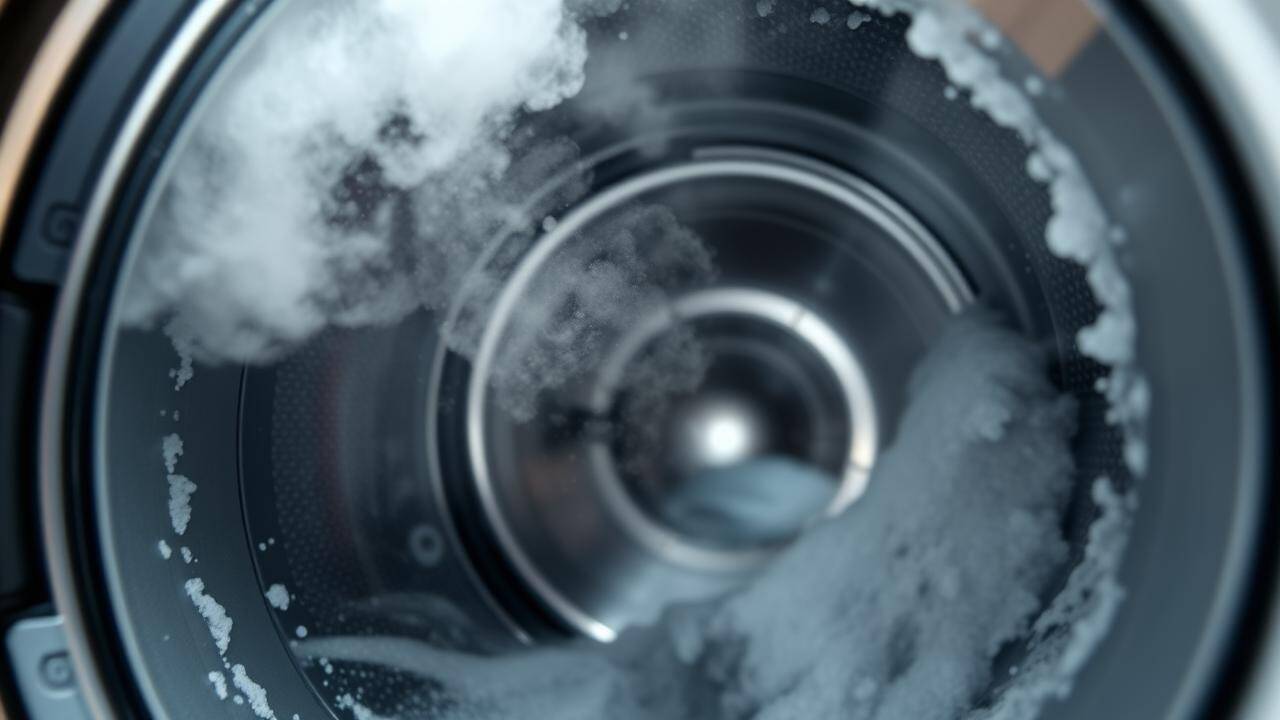
To combat this ‘permastink’ and prevent cross-contamination, a monthly hot wash with bleach is recommended, along with leaving the door ajar.
The Antibiotics article points out one factor that is often overlooked: the weave of the clothing itself. While natural weaves such as cotton can be cleaned easily, synthetic fabrics like polyester act as hydrophobic surfaces where the fabric will absorb the oil but not the water. In effect, the metabolic components of the microorganisms get attached to the fibres and eventually accumulate. As the garments are heated during use, these compounds are released back, and make the clothes smell bad again, despite having just been laundered.Breaking the cycle of cross-contaminationOne interesting discovery in the field of laundering is the amount of bacteria found on supposedly clean garments, which come from the washer itself, rather than from the person wearing the clothes. The problem becomes particularly serious if the washer harbours its own thriving microbe population, effectively making the washing process a redistribution of microorganisms.A study published in the journal Microbiology Research, which investigated the potential for microbial cross-contamination, found that public and shared washing machines can harbour a diverse array of viable microorganisms. The researchers discovered that everything from the design of the machine to the frequency of cleaning affects how many microbes are transferred back to your clothes. In some cases, they even found opportunistic pathogens that can survive low-temperature cycles, posing a hygiene risk alongside the odour problem.In order to restore your clothes to their former glory, the Microbiology Research Group advises that you engage in a “hot reset” once per month. Wash your machine at a minimum of 60°C using bleach to destroy any existing biofilm inside the drum. Furthermore, ensure that the door of your washing machine is left open after every wash.Maintaining fresh-smelling clothing is a job that must be done by both you and the washer. By acknowledging the fact that the washing machine requires some form of cleaning every once in a while, you will ensure that the odour is not transferred from the machine to your clothes, thus maintaining hygiene levels as high as they look.