


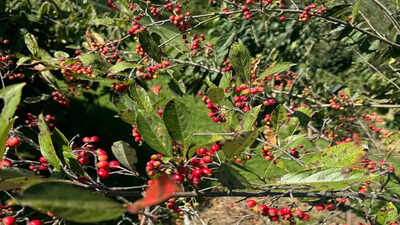
The beauty of the yard must not cease when the flowers in spring end, and those in summer start waning. In this case, appropriate shrubs come in handy. Multi-season shrubs offer continuous textures, structural elements, berries, or autumnal colours even after peak blooming ends.Landscape professionals often recommend multi-season shrubs since they contribute to making a yard appear full during late summer and autumn seasons. As per many gardening experts, the choice of plants that feature foliar interest, berries, or seasonal colour changes, contributes to designing balanced landscapes. In this way, homeowners need not depend on flowers alone. Rather, they could consider shrubs as design anchors that would last longer than flowers.Significance of multi-season shrubsThe front yard is usually the most visible part of the property. It is viewed daily from the sidewalk, driveway, windows, and street sides. Hence, plantings that are designed for spring blooming only may look sparse at other times of the year. This is the reason garden designers give more attention to structures. Shrubs provide structure, whereas perennials add colour and dynamics. The Royal Horticultural Society suggest using shrubs that provide interest during two seasons. The options for two-season interest can range from blooms in spring to leaf colours in summer or fall, from berries to evergreen form, as well as winter branching.A shrub that performs a few duties will definitely prove more efficient in claiming space than a plant that only becomes impressive for a short time before fading away.Red chokeberry brings colours in the fall and berriesRed chokeberry is among the best choices of native plants to use in a front yard throughout most regions in the US. According to the University of Maryland Extension, it is adaptable and features shiny foliage as well as bright red berries.Flowering occurs in spring with small white blooms, while the leaves change to red and orange in fall and berries stay until winter. It also remains relatively compact, allowing planting next to walks or using in mixed border arrangements.
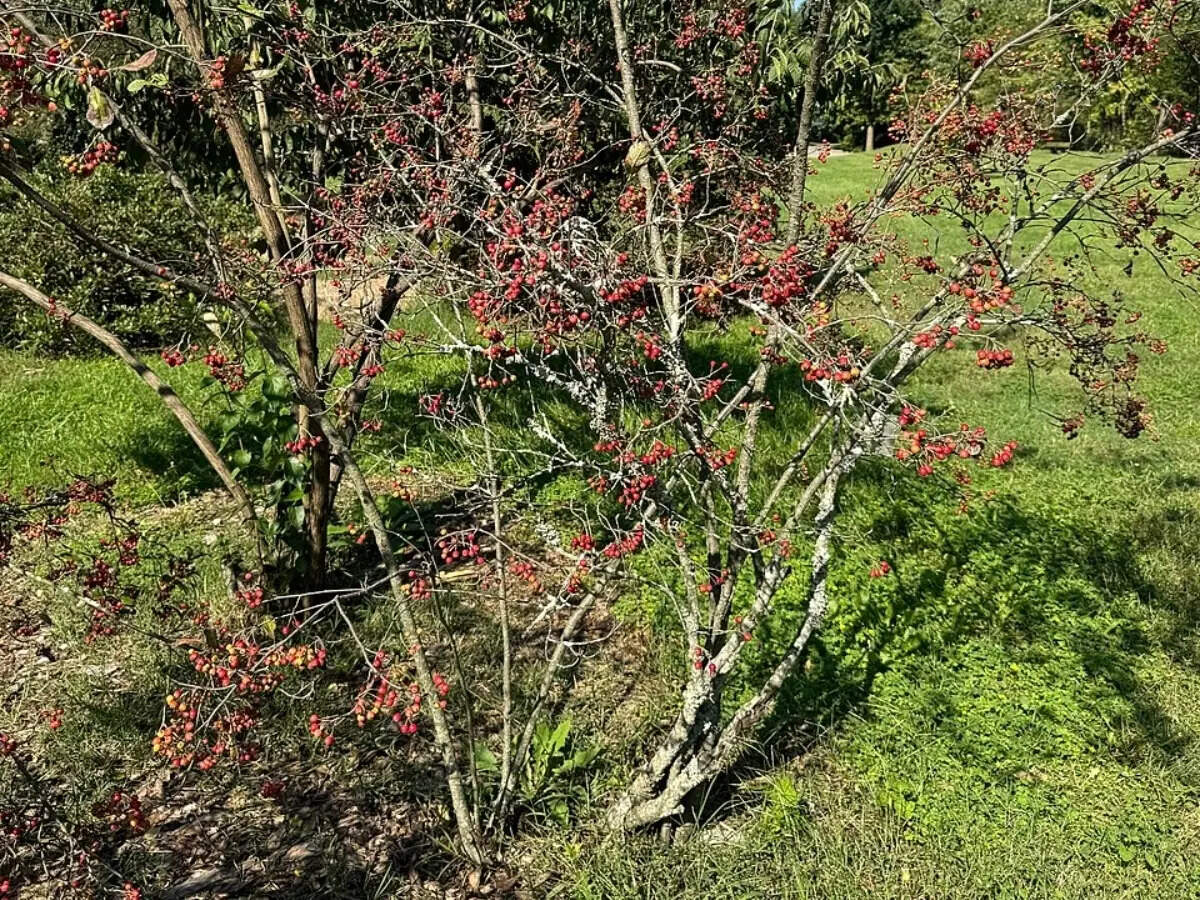
These 6 shrubs keep front yards looking finished year-round. Image credit – Wikimedia
Sweet pepperbush keeps summer flower beds goingA common issue with front yards is losing energy late in summer once the early flowering plants have died out. This native shrub blooms later in the growing season, producing aromatic flowers in the form of white or pink spike-like inflorescences. It also has good moisture tolerance compared to many other ornamental shrubs. The foliage changes to gold in the fall, providing yet another seasonal display for this shrub.Oakleaf hydrangea provides structure and textureOakleaf hydrangea is perfect for planting in a front-yard garden since it provides rich foliage regardless of whether flowers are present. In summertime, white flower panicles appear. However, the real beauty of oakleaf hydrangea comes later as the leaves turn dark burgundy and bronze colours in the fall, and exfoliating bark brings texture in winter.This shrub’s layered branching pattern also adds to its appeal by softening the look of any rigid foundation plantings near porches and entries.Inkberry holly grounds the yardSince evergreens play an essential role in preventing a landscape from looking sparse in cooler seasons, inkberry holly can be considered a popular native choice that contributes structure without looking too formal.As opposed to dense hedges, inkberry has a softer appearance and makes a nice anchor plant repeated in a front bed. Evergreen shapes that repeat are advised by gardeners since repetition will make the property appear serene and orderly.Viburnum is great for flowers and faunaThe viburnums are still among the most favoured plants in the United States due to the ability of several species to offer a variety of elements like flowers, berries, and autumn foliage.Homeowners could find themselves with spring flowers, followed by colourful berries, which would attract many birds towards the end of the season. Some viburnums even change their colours to an intense red or purple during autumn. This trait makes them ideal for those individuals desiring curb appeal that is not dependent on seasonal blossoms.Dwarf boxwood is useful for neat edgesIn soft gardens, some evergreen structure will help the garden beds achieve a finishing touch. The dwarf boxwood still remains one of the favourites for edge planting along walks and framing entranceways.Compact plants are more manageable and less likely to dominate in front yards of modest size. Many landscape architects thus incorporate boxwood in moderation amid other grassy and shrubby plants.What causes front yards to look overcrowdedOne of the most common errors in landscaping is to plant too many mid-sized shrubs together in the garden. Plants that are small when bought in the nursery can grow much bigger in just a few years. Experts suggest researching the full size of a plant before planting. Adequate space around each plant prevents them from forming dense growth that needs to be pruned frequently. Usually, fewer kinds of plants used in repetition give more powerful results than various species planted individually.Why layering shrubs is always the right choiceWell-laid out landscapes remain coherent even after the flowers have wilted because they have shrubs that make a permanent impact on the landscape throughout the year.Combination of blooms, foliage, berries, textures, and structural evergreens gives coherence to your landscape.