


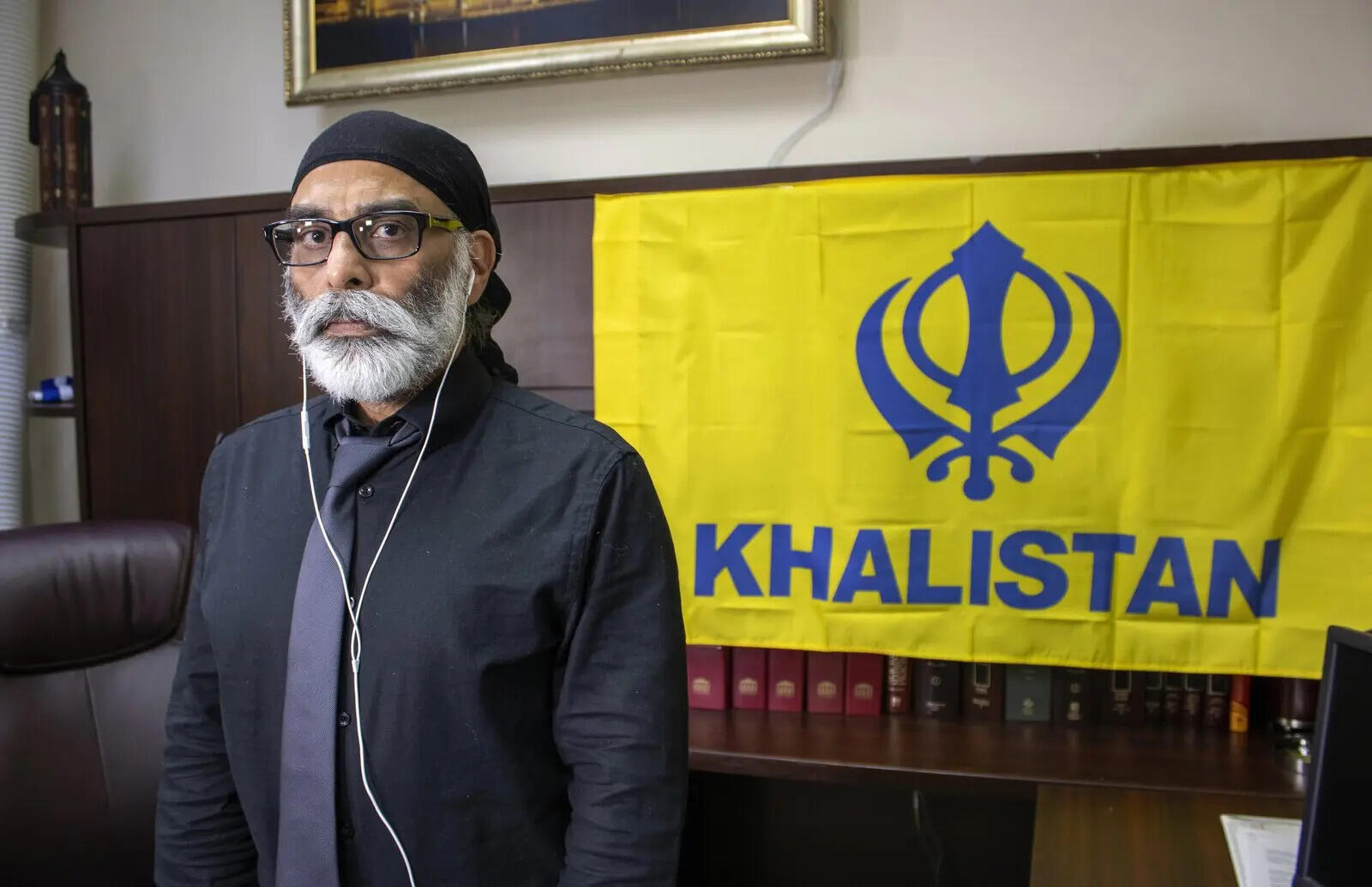
Why it matters The CSIS 2025 report, tabled in the Canadian Parliament last week, states that the activities of Canada-based Khalistani elements continue to advance a violent extremist agenda.“Ongoing involvement in violent extremist activities by CBKEs [Canada-based Khalistani extremists] continues to pose a national security threat to Canada and to Canadian interests,” the report says. “Some CBKEs are well connected to Canadian citizens who leverage Canadian institutions to promote their violent extremist agenda and collect funds from unsuspecting community members that are then diverted toward violent activities.”The wording is significant because India has long argued that extremist organisations were exploiting Canada’s democratic freedoms to mobilise separatist sentiment, intimidate Indian diplomats, and run anti-India campaigns.
The report also revisits the Air India Flight 182 ‘Kanishka’ bombing, calling it “the deadliest terrorist attack in Canadian history.” A total of 329 people, most of them Canadians, were killed in the attack.That reference carries major historical significance. The bombing, linked to the banned Babbar Khalsa International (BKI), remains one of the darkest episodes in Canada’s security history and has frequently been cited by Indian officials in criticism of Ottawa’s handling of separatist groups.At the same time, the report draws a clear distinction between peaceful advocacy for Khalistan — the movement seeking a separate Sikh homeland carved out of India — and violent extremism. While Canada continues to regard non-violent political support for Khalistan as protected democratic expression, the report warns that a section of Canada-based Khalistani extremist (CBKE) groups remains associated with violent activities.“Only a small group of individuals who use Canada as a base to promote, fundraise, or plan violence primarily in India are considered Khalistani extremists.”
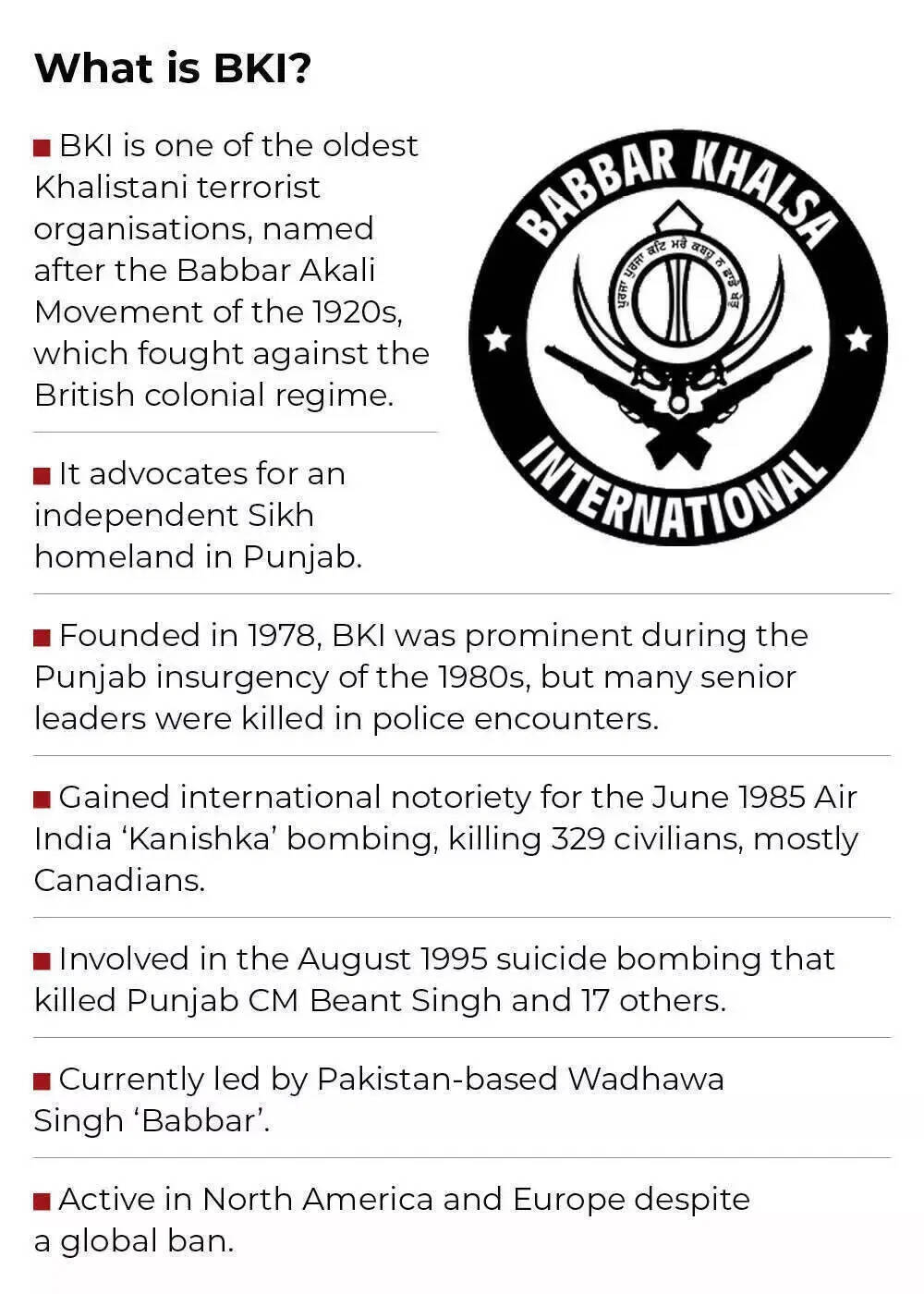
What the previous report saidLast September, Canada’s finance department released a report saying that Khalistani extremist groups such as BKI and the International Sikh Youth Federation (ISYF) had received financial support originating from Canada.The report titled ‘2025 Assessment of Money Laundering and Terrorist Financing Risks in Canada’, revealed that a politically motivated violent extremism (PMVE) threat has existed in Canada since the mid-1980s, primarily through Khalistani extremists.According to the report, while PMVE may include religious elements, “actors are more focused on political self-determination or representation, rather than racial or ethnic supremacy”.In addition to BKI and the ISYF, the report noted that terrorist groups listed under Canada’s Criminal Code, including Hamas and Hezbollah, have also received financial support originating from Canada.“Khalistani extremist groups are suspected of raising funds in a number of countries, including Canada. These groups previously had an extensive fundraising network in Canada but now appear to consist of smaller pockets of individuals with allegiance to the cause,” the report added.Despite being more fragmented, these networks continue to raise funds — often targeting diaspora communities — through non-profit organisations and informal channels.
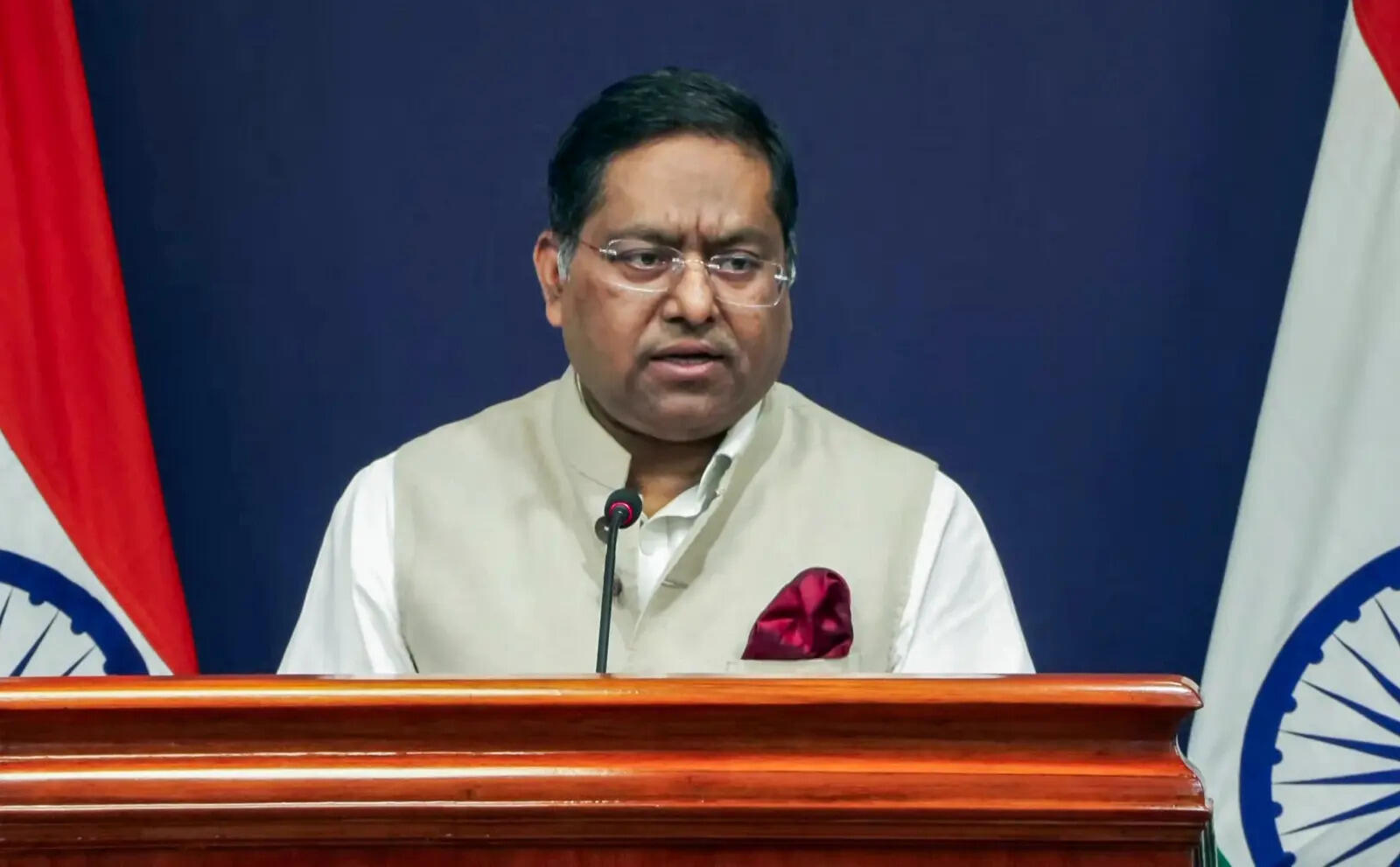
India rejects espionage claimsMeanwhile, the latest CSIS report also includes India among countries allegedly involved in foreign interference and espionage activities in Canada, alongside China, Russia, Iran and Pakistan. India has categorically rejected the allegations. The CSIS report claims that India had “historically” cultivated covert relationships with Canadian politicians, journalists and members of the Indo-Canadian community to advance its interests.It has also referred to “transnational repression activities, such as surveillance and other coercive tactics meant to suppress criticism of the Government of India and create fear in the community.”Reacting to this charge, MEA spokesperson Jaiswal said, “India’s position on this issue has been clear and consistent. We categorically reject such baseless imputations.”“India is a democracy that adheres to international norms and respects the sovereignty of other nations. It is not our policy to interfere in issues of other countries.“We believe that any concerns of this nature should be addressed through established mechanisms rather than through politicized or public narratives,” he added.Interestingly, senior Canadian officials recently softened earlier rhetoric. According to RCMP Commissioner Mike Duheme, current investigations do not conclusively connect recent transnational repression cases directly to Indian state actors.“The dots don’t always connect to a foreign entity,” Duheme said in an interview.
Will Carney launch a crackdown?The current tensions date back to September 2023, when then Canadian PM Justin Trudeau alleged a “potential” Indian link to the killing of Hardeep Singh Nijjar, a Khalistan Tiger Force operative, outside a gurdwara in British Columbia.India reacted sharply, dismissing the accusations as “politically motivated” and “absurd.” What followed was a prolonged diplomatic crisis.The arrival of Mark Carney as Prime Minister, however, appears to have introduced a more cautious and pragmatic tone. Both governments have quietly tried to rebuild engagement over the past year.The latest CSIS report may not eliminate the distrust between India and Canada, but it does signal a subtle shift in Ottawa’s public framing of the Khalistan issue.The report’s reference to extremists exploiting Canadian institutions and democratic freedoms is particularly significant because it echoes concerns New Delhi has repeatedly raised.For India, however, the core issue remains action rather than acknowledgment, as the MEA spokesperson underlined New Delhi’s repeated appeals to the Canadian government “to take effective action against anti-India extremist elements operating from its soil”.Whether the report ultimately results in stronger law-enforcement measures, closer scrutiny of extremist financing networks, or deeper intelligence cooperation between the two countries remains to be seen.With inputs from agencies