


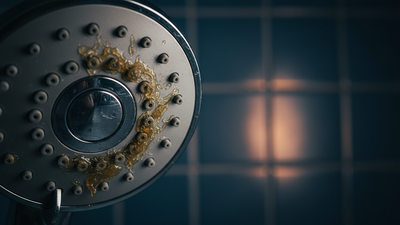
There’s something oddly comforting about a hot shower. The steam, the pressure, the feeling you’re washing the day right off. However, here’s the thing that no one tells you: the fixture that’s sending that water over your face might be hiding a secret world of bacteria, and some of it might be getting into the air you breathe.This is not a horror story; it’s biology, and once you know it, the fix is really simple.The warm, wet hotspot microbes loveShowerheads are essentially a dream destination for bacteria. They are small, always wet and at just the right temperature for biofilm, a slimy protective layer of microorganisms, to thrive. A study, Opportunistic pathogens enriched in showerhead biofilms, found complex microbial communities living inside these fixtures, not just faint traces from tap water, but thriving colonies. Even more impressively, some samples contained non-tuberculous mycobacteria (NTM) at concentrations more than 100 times those in the surrounding water inside the showerhead biofilm.The fixture itself is an incubator. As deposits and mineral scale build up over time, they offer bacteria a place to hide and grow, safe from the chlorine in your water supply. When the water stops, the microbes don’t just disappear; they stay, they multiply, and they wait for the next shower.It’s not just the surface; it’s what is in the airThe study, Shower water contributes viable nontuberculous mycobacteria to indoor air, found that viable nontuberculous mycobacteria from shower water were making their way into indoor air during the shower itself. As the shower ran, the share of airborne microbes sourced from the shower water climbed significantly.Think of the average American bathroom: small, not always well ventilated, and with the door closed. That’s not good airflow for dispersing aerosolised bacteria. Most people are unlikely to get seriously ill from this low-level exposure, but it is worth knowing that your showerhead isn’t just a wet surface; it can serve as a release valve for airborne microbes every single morning.The risk is greater if a shower or tap has not been used for a while. Water that sits stagnant in pipes and fixtures gives biofilm even more time to grow. You return after a week away, turn on the tap and get a concentrated rush of whatever built up while you were away.Why does heat and hard water make it worseIf you live in a hard-water area, your showerhead has an extra layer of buildup to deal with. Mineral scale doesn’t just look unpleasant, but it also physically protects bacteria from heat and chlorine. It creates a layer on the biofilm that even basic cleaning may not penetrate.
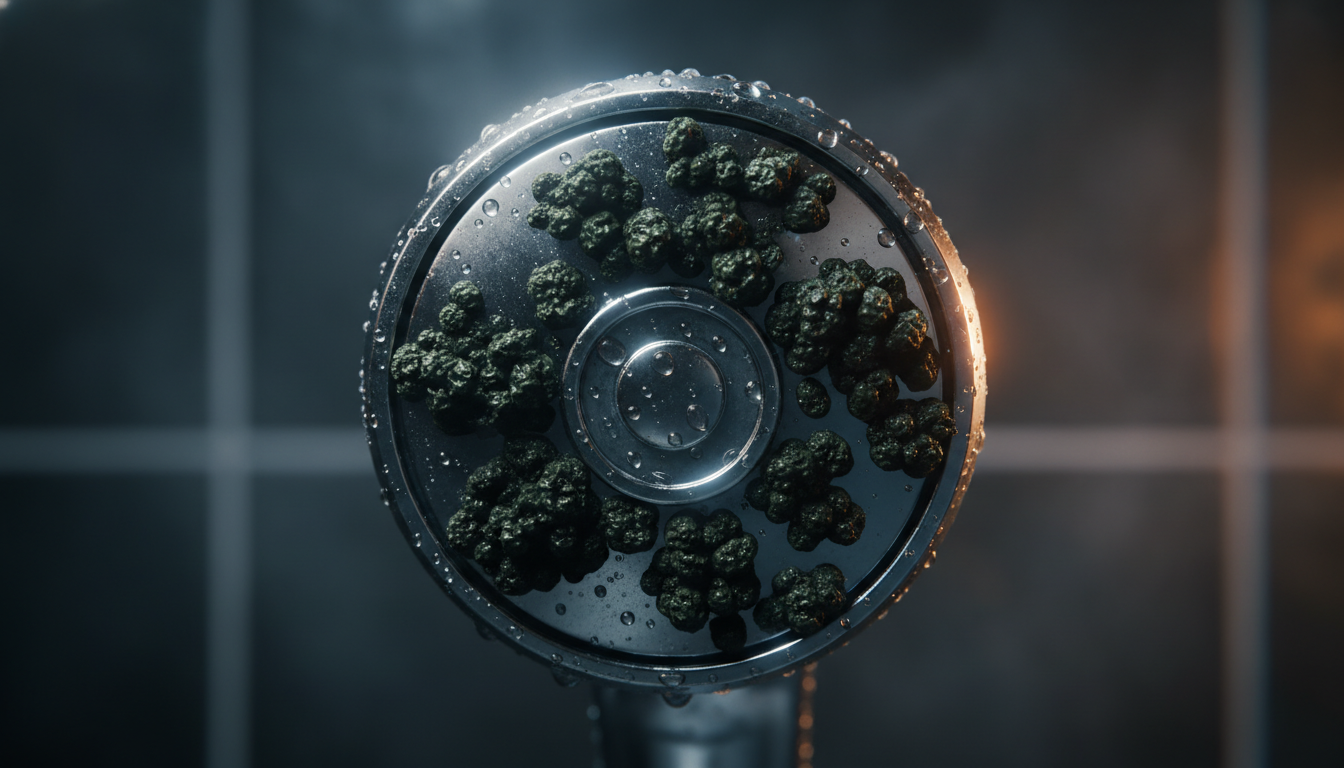
A neglected showerhead can release bacteria into the air every time you turn it on.Image Credits: Google Gemini
Warm, moist plumbing environments are fertile ground for microbial growth and pathogen spread. Whether you are talking about the showerhead face, the hose, or the pipes behind the wall, it doesn’t matter. The conditions are hospitable, and the problem worsens without regular maintenance.So, how do you actually clean it?The solution is low-tech and costs next to nothing. Take your showerhead off, soak it in undiluted white vinegar for at least an hour (overnight is better), scrub the spray plate with an old toothbrush to reach the nozzles, rinse well, and reattach. Vinegar works by breaking up the scale that protects bacteria. It is not a steriliser, but it does break up the buildup that makes biofilm hard to dislodge.You should do this regularly. If you wait until the water flow slows or you notice discolouration, the biofilm will have established itself over several months.Who should take this most seriouslyFor those with a healthy immune system, this is more of a maintenance issue than an emergency. However, if you or someone in your household has a respiratory condition, a compromised immune system, or is elderly, the inhalation route matters much more. The bacteria aerosolised in a small, enclosed bathroom are not just a theoretical route of exposure for vulnerable people; they are real.Look for signs like low water pressure, buildup around the nozzles, or any off-putting smell coming from the shower. These are not just cosmetic issues; they are signals that scale and biofilm are being accumulated.The takeawayYour shower head does much more than spray water. It sits at the intersection of plumbing, microbiology and the air in your home, and it deserves more attention than most of us give it. Science is not saying that every shower is dangerous; it is saying that a neglected showerhead is a living ecosystem, and by ignoring it, you let that ecosystem grow.Grab some white vinegar, take the showerhead off, and set a monthly reminder. It costs next to nothing and takes 20 minutes. It’s one of the easiest health wins you can find hiding in plain sight.