


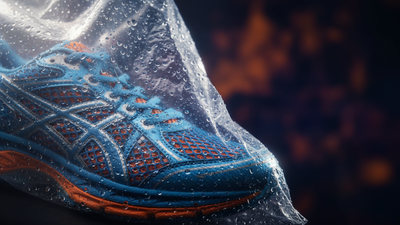
You just came back from a long run, kicked off your sneakers, and tossed them into an airtight bag or a closed shoebox to keep the smell from spreading. It makes sense as it keeps the smell contained and the dust out. Turns out that is one of the worst things you can do for your shoes.What’s actually happening inside your shoeEvery time you put on your sneakers, whether for a workout, a commute, or a day on your feet, your feet sweat a lot. Each day, a person loses about half a cup of sweat per foot, and that moisture seeps into the insole, the lining and the fabric of your shoe.If you seal the shoe in airtight bags or containers before it has had a chance to air out, all that moisture remains trapped inside. The temperature inside a brand-new shoe can get quite high, and research published in the journal Applied Ergonomics suggests that, to remain comfortable in footwear, temperatures should be maintained at approximately 27°C-33°C. During high activity in warm conditions, foot temperature can reach up to 50°C. You just sealed up a hot, moist little ecosystem, and the thing about hot, wet ecosystems is that they are great places for bacteria and fungi.The science of the shoe microclimateThe environment inside your shoe is called a microclimate, a combination of temperature, humidity, and airflow working together. The shoe naturally ventilates as you walk through something called the pistoning effect, which means that every time you take a step, a small amount of air is pumped in and out of the shoe. It’s passive, automatic and surprisingly good.However, sealing the shoe immediately after use cuts off that process altogether. There is no place for the moisture from your sweat to go. It doesn’t evaporate; it just lies there. This trapped moisture also disrupts the energy balance within the shoe, preventing evaporation and convection that the shoe depends on to naturally cool down, the same Applied Ergonomics study found.The result? Faster breakdown of the material, lingering smell, and a much shorter lifespan for the footwear you probably paid good money for.
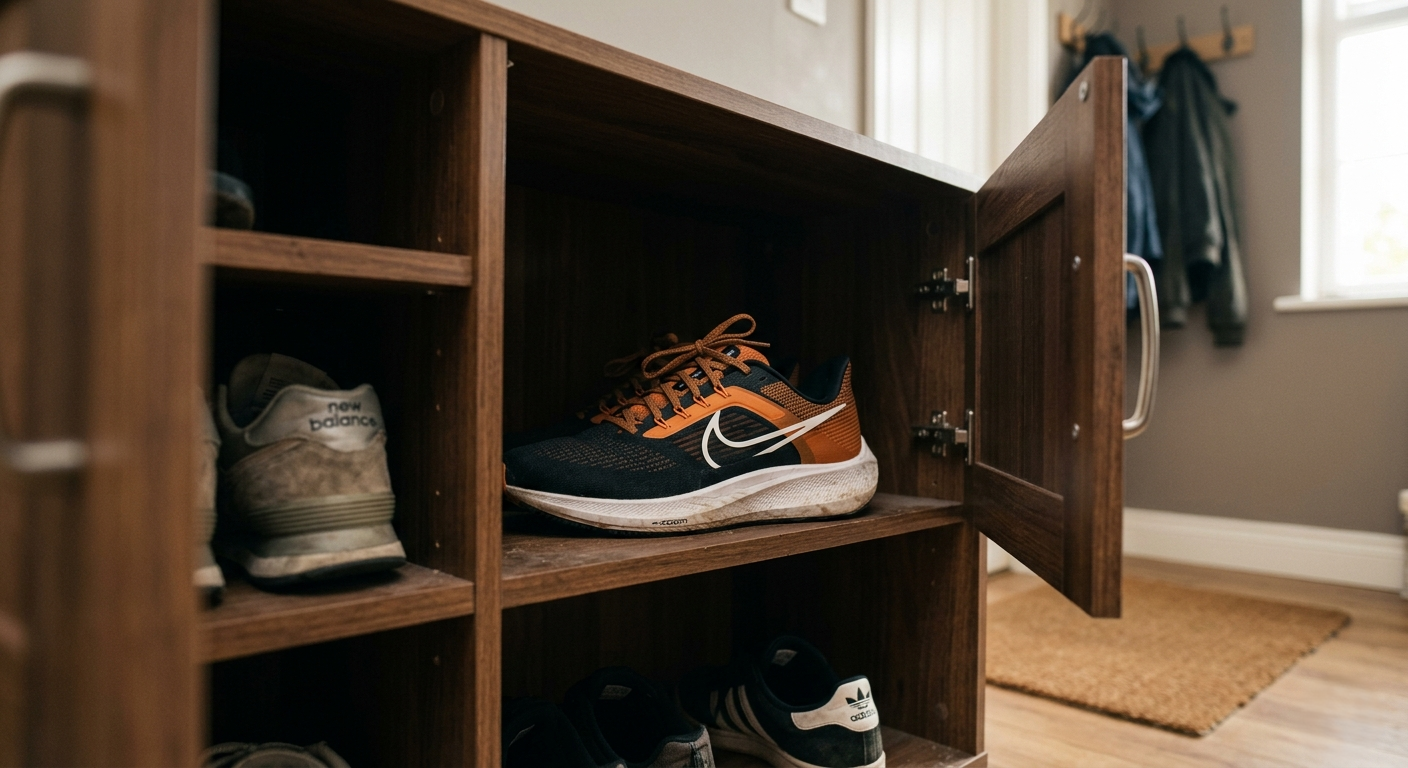
Sealing sweaty sneakers in airtight containers after a run traps moisture, creating a breeding ground for bacteria and fungi. Image Credits: Google Gemini
Your shoe material matters more than you thinkNot all sneakers deal with moisture the same way. The study, Shoe microclimate: An objective characterisation and subjective evaluation, found that shoes made from less permeable materials consistently had higher temperatures and humidity levels. This not only affected the wearer’s comfort but also created an environment in which skin conditions such as athlete’s foot could thrive. Synthetic materials that don’t breathe well are especially vulnerable when sealed up without ventilation. On the other hand, shoes with better airflow, be it through mesh uppers, breathable insoles, or just good design, disperse heat and moisture much more effectively.What to do insteadThe fix is really simple: just air your shoes out before putting them away.Once you have finished working out or had a long day, untie them, loosen the laces, take out the insoles if you can, and leave them somewhere with good airflow, like near a window, on a ventilated shelf, or just on the floor. Leave them for at least a few hours, but overnight is better. If you stuff a crumpled ball of newspaper inside, it can greatly speed up moisture absorption.If your concern is smell, there are lots of shoe deodorisers, cedar inserts, and baking soda tricks that work without trapping everything inside. Sealing in the smell does not neutralise it; it only postpones and intensifies the problem.The takeawayYour sneakers need to breathe. A single workout’s worth of moisture is enough to create a warm, humid environment that breaks down materials, promotes microbial growth, and reduces the lifespan of your shoes, and immediately sealing them after use makes all of that much worse. Giving your shoes a quick breather before stashing them away is more than just a comfort thing; it is just shoe care that most of us were never really taught.Sometimes the best thing you can do for something is to leave it alone for a while.