


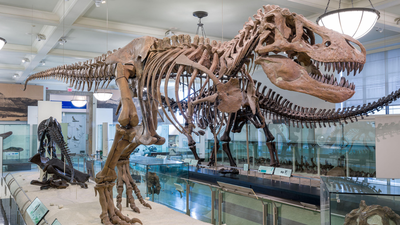
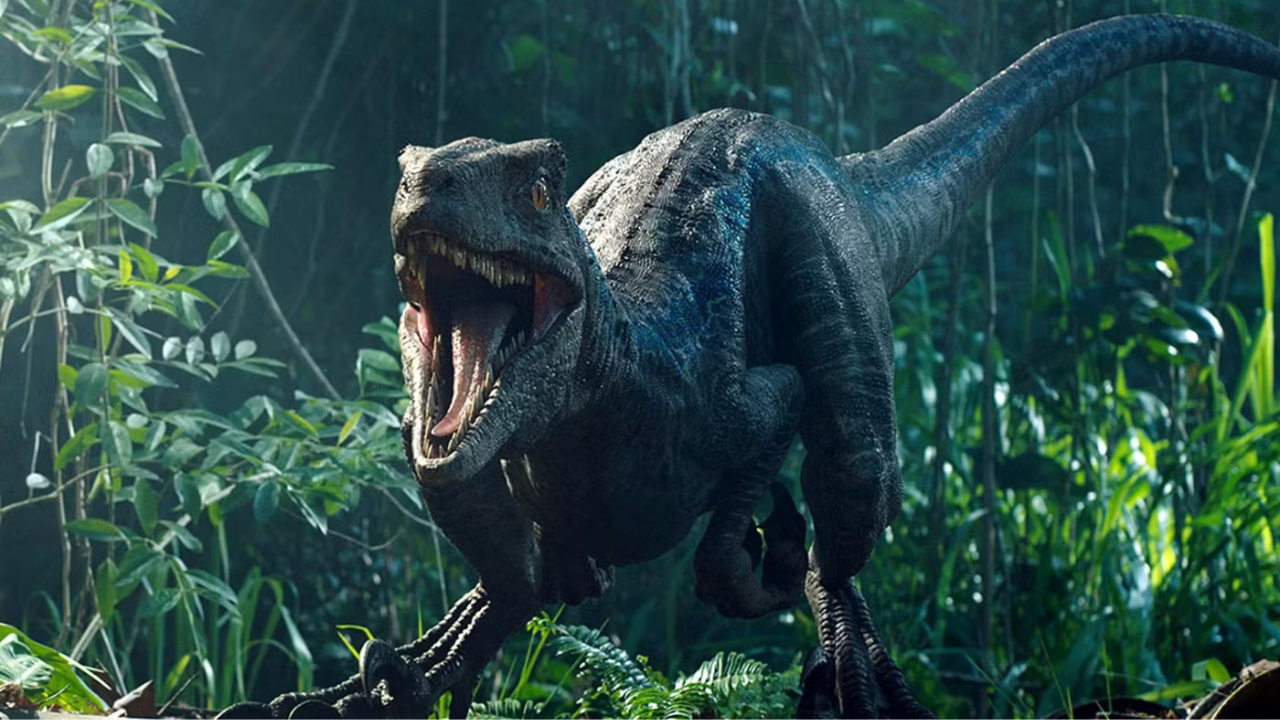
For decades, the image of Tyrannosaurus rex has been defined by thunderous footsteps and earth-shaking chases, immortalised by films like Jurassic Park. The towering predator was imagined as a heavy, reptile-like creature, pounding across the ground with unstoppable force. New research is now challenging that long-held picture. A recent study suggests that T. rex may have moved in a far more controlled and efficient way, with a gait closer to modern birds. Scientists argue that its movement resembled a lighter, spring-like stride, raising fresh questions about how this iconic dinosaur hunted, balanced its massive body and navigated its environment.
New study explains how T. rex walked like a bird
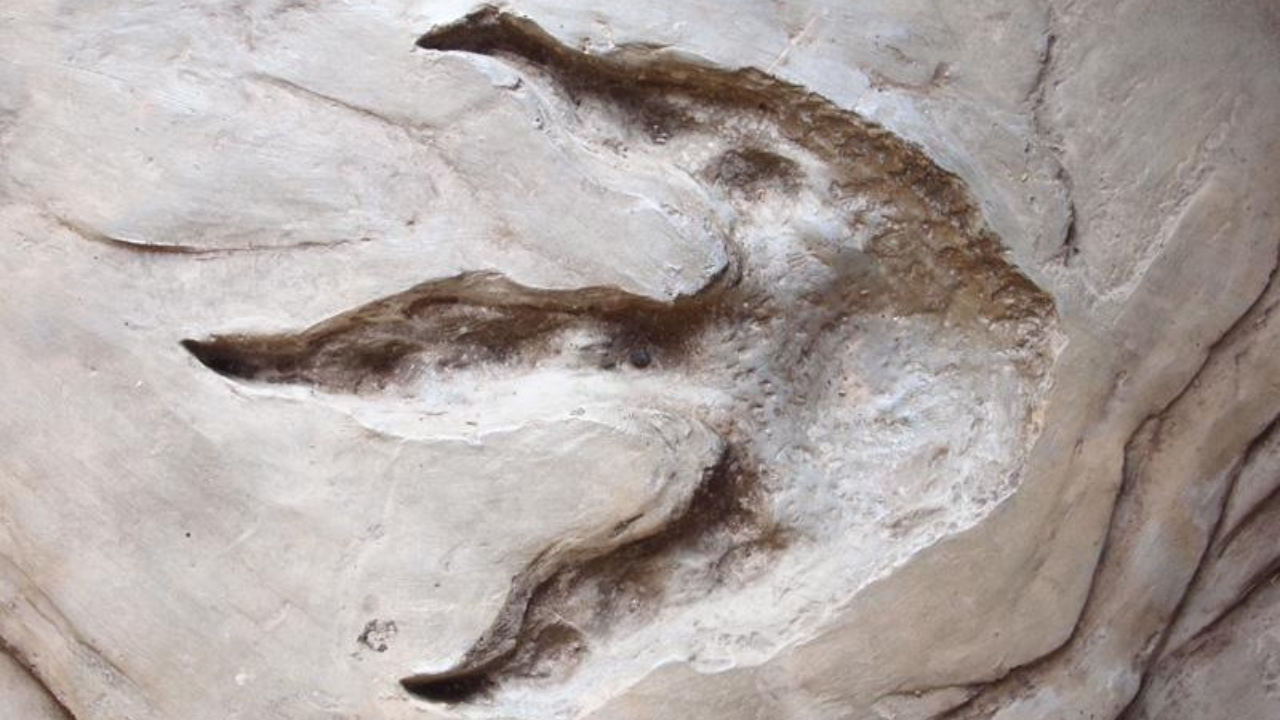
The new findings come from research published in Royal Society Open Science, where scientists examined fossil evidence, biomechanics and comparisons with living animals. The study focuses on how the dinosaur’s foot interacted with the ground, suggesting that T. rex likely used a digitigrade posture, meaning it walked and ran on its toes. This interpretation is supported by fossilised footprints and skeletal structure, indicating a more dynamic and efficient style of locomotion.The comparison to birds is grounded in evolutionary biology, as modern birds are the closest living relatives of theropod dinosaurs. Their movement provides a useful framework for understanding how T. rex may have behaved. Scientists believe the dinosaur moved with a toe-first, balanced stride, using its long tail as a counterweight to maintain stability. This motion would have allowed for better energy conservation and smoother movement across uneven terrain. Observations of large running birds such as ostriches reinforce the idea that such a gait can support efficiency and control in large-bodied animals.
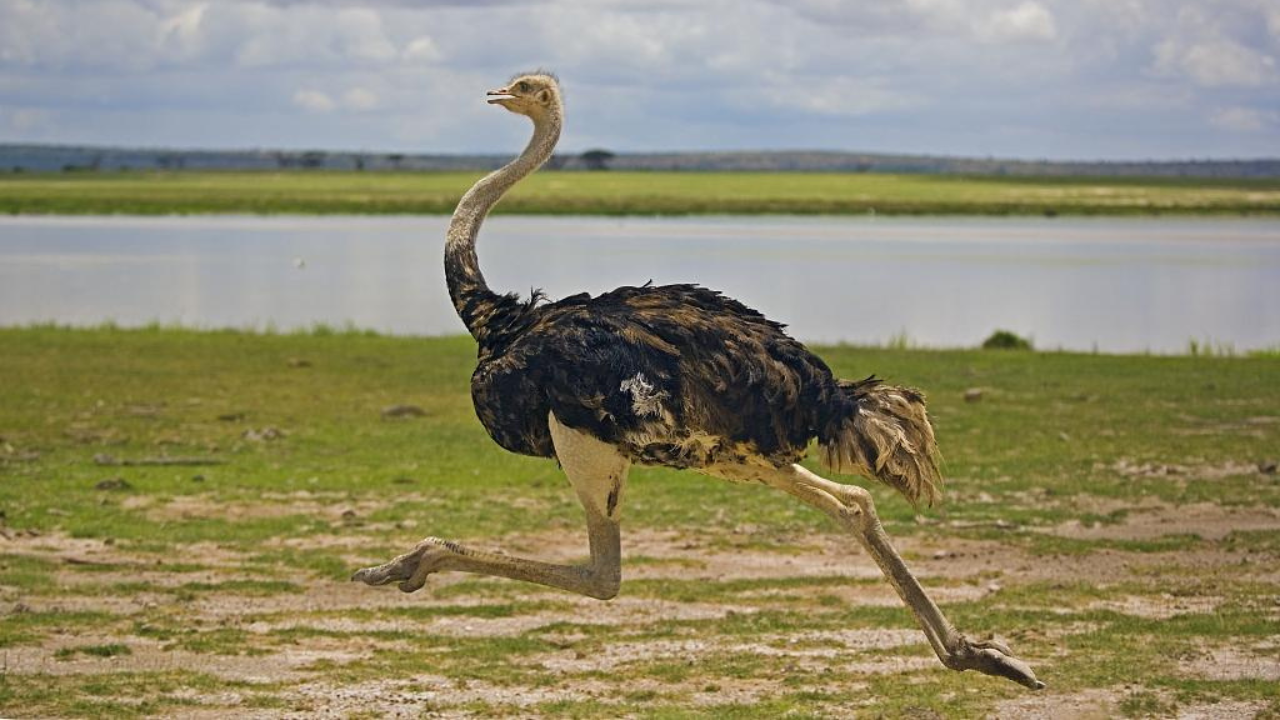
The updated model of T. rex movement suggests an animal that was capable and efficient, though not an extreme sprinter. Bird-like locomotion may have improved its energy use and overall agility, particularly in younger individuals. At the same time, biomechanical constraints indicate that very high speeds would have placed dangerous stress on its bones and joints. Scientists generally place T. rex in a middle ground, where it was well adapted for steady and purposeful movement.
What fossils reveal about movement
Fossilised trackways and anatomical studies have played a crucial role in reconstructing how T. rex moved. Footprints provide direct evidence of how the foot made contact with the ground, often preserving clear impressions of toes. Skeletal analysis reveals how weight was distributed and how posture was maintained. By combining these findings with comparisons to modern animals, researchers are able to build increasingly detailed models of dinosaur locomotion that begin to capture behaviour.
Rethinking the Jurassic Park image
The familiar cinematic portrayal of T. rex relies heavily on the idea of immense weight translating into powerful, ground-shaking steps. The new research presents a more controlled form of movement, where balance and efficiency play a larger role. This suggests that its footsteps may have been less dramatic than often imagined, and that its hunting behaviour may have depended more on precision and timing. The change in perspective reframes how its power was expressed.
This study highlights a wider shift in palaeontology, where dinosaurs are increasingly understood through their evolutionary connection to birds. Discoveries of feathers, evidence of warm-blooded traits and improved biomechanical modelling have all contributed to a more complex picture of these animals. T. rex is part of this transformation, moving towards the image of a highly specialised and efficient organism.
The evolving image of a prehistoric giant
As research continues, the image of T. rex is becoming more refined. The latest findings suggest an animal that combined size with balance and efficiency, adapting its movement to suit its body and environment. This evolving understanding highlights how scientific knowledge changes over time, with each new study adding detail to creatures that lived millions of years ago.