


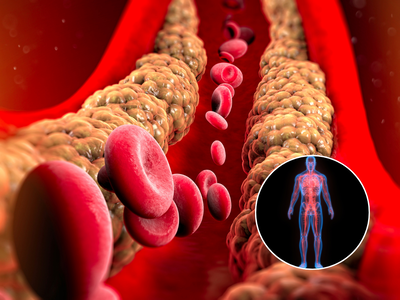
We have been taught to think of cholesterol as something that clogs arteries, spikes lab reports and comes with dietary guilt but inside our cells, cholesterol plays a far more delicate and dramatic role. Did you know, when it moves correctly, cells thrive but when it gets stuck, cells suffer and in the brain, that suffering can be devastating?A new study published in Proceedings of the National Academy of Sciences (PNAS) reveals a previously hidden cellular transport route that quietly determines whether cholesterol escapes the cell’s recycling centers or becomes trapped, triggering a cascade that mirrors one of the most severe neurodegenerative diseases known. At the center of this discovery is a protein called NPC1 and the revelation that how it travels inside the cell may be just as important as what it does.
Cholesterol isn’t the villain, when it gets stuck is
Every mammalian cell acquires cholesterol through LDL particles, the same “bad cholesterol” that people hear about in blood tests. Once inside the cell, LDL is sent to late endosomes and lysosomes, acidic compartments where cholesterol is released and handed off for reuse. This handoff depends on two proteins: NPC1 and NPC2. Together, they escort cholesterol out of the lysosome so it can be used to build membranes, hormones and brain tissue.When this system fails, cholesterol accumulates inside lysosomes, a hallmark of Niemann–Pick type C disease, a rare but devastating neurodegenerative disorder that primarily affects children. Patients gradually lose motor function, cognition and coordination. For years, scientists knew NPC1 had to reach the lysosome to work but how it got there remained surprisingly unclear.
A hidden cellular highway comes into focus
This new PNAS study uncovers a previously underappreciated trafficking route inside human cells, one that delivers NPC1 directly from the Golgi apparatus to lysosomes, bypassing older, slower pathways. The route relies on tiny transport vesicles called LAMP carriers, named after the lysosomal membrane proteins they carry. These vesicles are fast, precise and crucially dependent on a protein called VPS41.
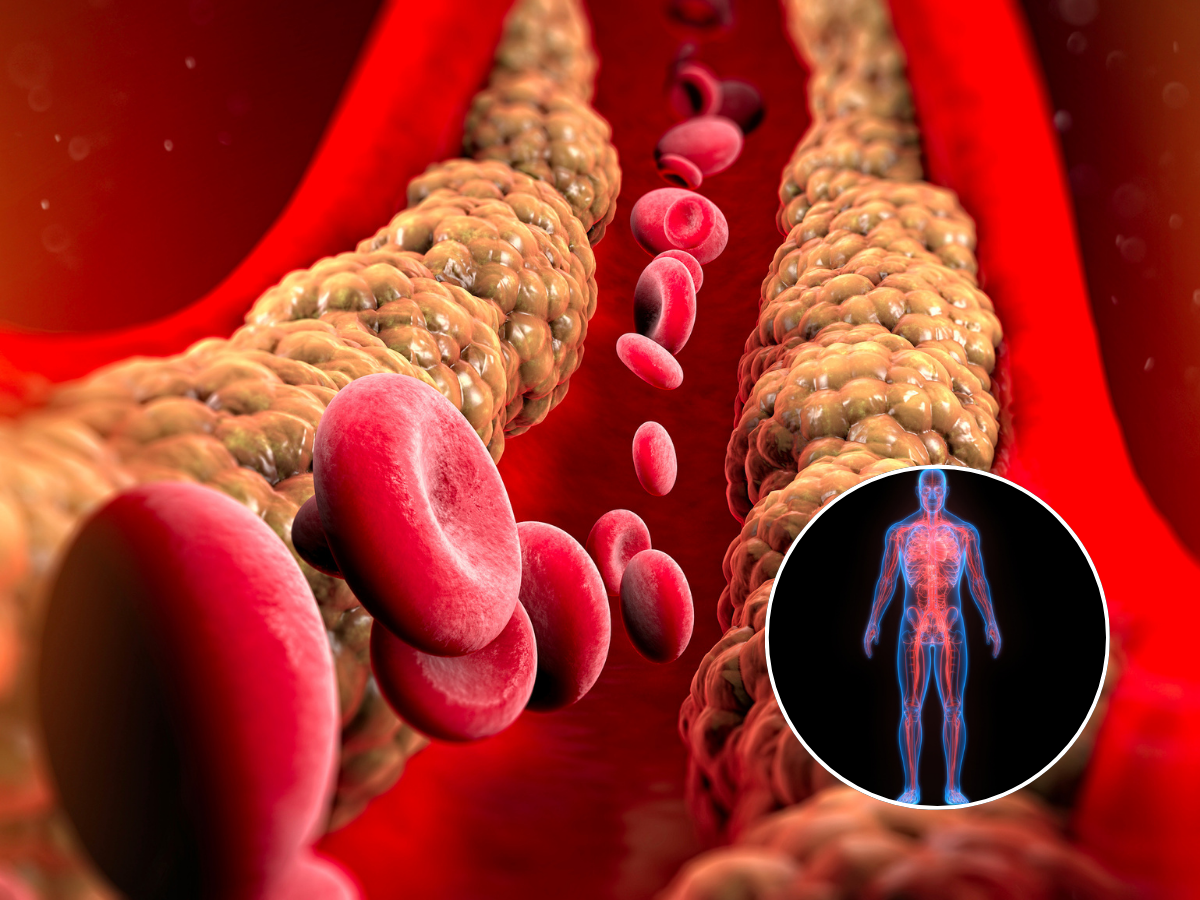
Scientists Just Found a “Cholesterol Traffic Jam” That Can Wreck the Brain
Using genome-engineered human cells that glow when NPC1 moves, the researchers watched NPC1’s journey in real time. What they found was striking. NPC1 rides inside these LAMP carriers and without VPS41 guiding the process, NPC1 never properly reaches its destination.
When delivery fails, cholesterol chaos follows
When VPS41 was removed from cells, something paradoxical happened. NPC1 levels increased, yet cholesterol still piled up inside lysosomes. This was because NPC1 was being produced but stranded.Instead of reaching functional lysosomes, NPC1 accumulated in small vesicles near them, unable to fuse and unload. The cell interpreted this cholesterol blockade as a shortage and activated emergency pathways, ramping up cholesterol production through SREBP signalling even though cholesterol was already abundant, just trapped. It is a cellular traffic jam with serious consequences.
Why this matters beyond rare diseases
While Niemann–Pick type C is rare, the biology uncovered here is not. Lysosomal dysfunction and cholesterol mismanagement are increasingly implicated in common neurodegenerative conditions, including Alzheimer’s and Parkinson’s disease. The brain, more than any other organ, depends on exquisitely balanced cholesterol handling.
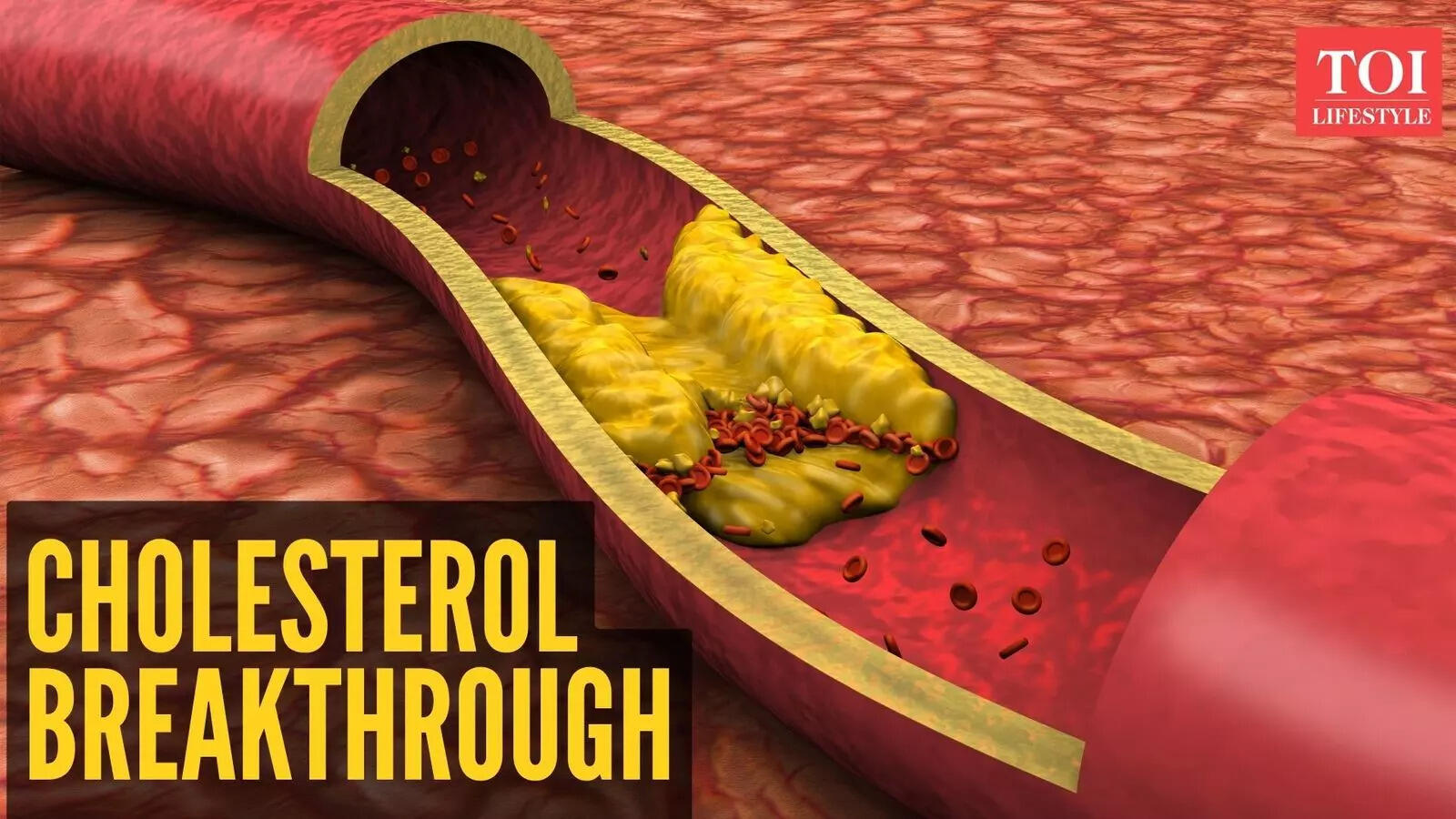
New Research Exposes a Silent Cholesterol Trap Linked to Brain Disease
This study suggests that faulty intracellular logistics, not just faulty proteins, can drive disease. Even more intriguing is that many NPC1 mutations don’t destroy the protein’s function. They simply prevent it from reaching the right place. If scientists can learn how to reroute NPC1 correctly or stabilise the VPS41-LAMP carrier pathway, entirely new therapeutic strategies may emerge.
A shift in how we think about cellular health
This research reframes health at the smallest scale. It reminds us that disease does not always begin with absence or excess, sometimes it begins with misdelivery. Cells are cities. Proteins are workers. Vesicles are transport trucks and when traffic control fails, even the most capable worker can’t do its job.By identifying NPC1 as cargo of the VPS41-dependent LAMP carrier pathway, this study adds a crucial missing chapter to the story of cholesterol biology, one that could ripple outward into how we understand brain health, metabolism and genetic disease.Note: The information provided in this article is for educational purposes only and is not intended as medical advice. Always consult with a qualified healthcare professional before starting any new medication or treatment and before changing your diet or supplement regimen.